


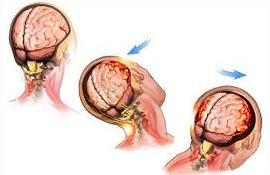
If you suspect you have a concussion, or you’re with someone that sustains an injury either from sports play or a bump to the head, you should notify someone immediately. If there is an adult that you know – a coach, a teacher, a parent – tell them and leave the game, or encourage your team mate to leave the game. If the injury happens another way, you should call 911 if you’re alone or call a parent or guardian and tell them you or your friend aren’t feeling well.
In very rare cases, a blood clot can form on a brain after a person suffers a concussion. This is the primary reason it is so very important to get help as soon as possible. Better for a doctor to tell you there is nothing to worry about then to be unsure.
Here are some of the signs you should look for when trying to decide if a concussion is a possibility:
*Drowsiness
*One pupil is larger than the other
*A headache that doesn’t go away
*Numbness and decreased coordination
*Vomiting or nausea
*Confusion
*Trouble speaking
*Convulsions
*Easily agitated
*A change in normal behavior
*Cannot tolerate bright lights
*Loss of consciousness
All of these are very troubling signs and since an estimated 14,000 teens in the United States sustain head injuries in highs school sports, it’s smart to #KnowTheFacts
ConcussedTeen.Org is YOUR website. We want to hear from you so we can work together to educate people so teenage athletes are protected. Email submissions@concussedteen.org with your story.
